

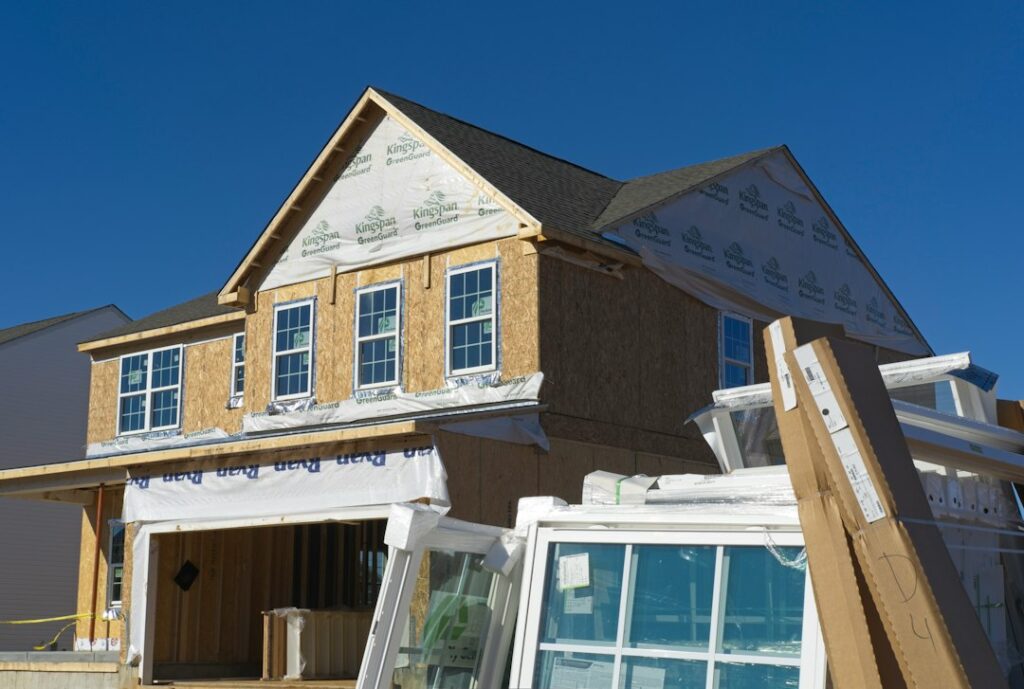
Choosing building materials for a home project involves more than comparing prices or appearance. The right materials should fit the project’s purpose, the local climate, the home’s existing construction, the expected maintenance, and any applicable building requirements.
For homeowners in Waconia, seasonal temperature changes, winter moisture, freeze-thaw cycles, snow, and summer humidity all deserve attention. A material that performs well in a mild climate may require more maintenance or fail sooner under repeated freezing and thawing.
What should be considered before choosing a material?
Start by defining what the material needs to do. A product used for a basement wall, exterior trim, deck surface, or interior floor will face very different conditions.
Ask these questions before shopping:
- Will the material be exposed to rain, snow, sunlight, or soil?
- Will it experience repeated freezing and thawing?
- Does it need to support weight or resist impact?
- How often will it need cleaning, sealing, painting, or replacement?
- Does it need to match existing materials?
- Is the project located in a damp area such as a basement, bathroom, entryway, or exterior wall?
- Are there local code requirements, permit requirements, or manufacturer installation rules?
This process helps prevent a common mistake: choosing a material based mainly on its appearance or initial cost without considering how it will perform after installation.
How does the local climate affect material selection?
Climate should influence nearly every exterior material decision. In Waconia, outdoor materials need to tolerate cold winters, snow accumulation, moisture, strong temperature swings, and summer heat.
Freeze-thaw exposure is especially significant. Water enters small cracks or porous surfaces, freezes, expands, and may gradually widen those cracks. Materials that absorb water can be more vulnerable if they are not properly detailed, sealed, sloped, or installed.
For exterior projects, look for materials and assemblies that:
- Limit water absorption where appropriate
- Allow water to drain rather than remain trapped
- Include proper flashing around openings and transitions
- Tolerate expansion and contraction
- Are rated for the expected temperature range
- Can be repaired or replaced without disturbing large portions of the structure
This matters for siding, masonry, concrete, roofing, decks, fences, exterior doors, and windows. The material itself is only part of the system; drainage, fasteners, joints, underlayment, and installation details strongly affect service life.
Should the existing home influence the decision?
Yes. New materials should be compatible with the home’s current structure and exterior envelope. A replacement or addition can create problems if it handles moisture, movement, or heat differently from the surrounding construction.
For example, a new wall finish may look appropriate but trap moisture behind it if the drainage plane is interrupted. A heavier finish may also require structural support that was not needed for the original material. Flooring installed over an uneven or damp surface can fail even if the flooring product itself is durable.
Before selecting materials, examine:
- The age and condition of the existing surfaces
- Signs of water intrusion, rot, cracking, or settlement
- The type of framing and sheathing
- Existing insulation and air-sealing conditions
- The height of the foundation and nearby ground levels
- How the new material will connect to doors, windows, roofs, and other walls
Repairing underlying problems first is usually more effective than covering them with a new finish.
How should cost be compared?
The purchase price is only one part of the total cost. A lower-cost material may require more frequent painting, sealing, cleaning, repair, or replacement. A higher-cost material may be worthwhile if it reduces maintenance and performs reliably for many years.
Compare materials using a broader cost checklist:
- Purchase price
- Delivery and handling
- Installation complexity
- Required fasteners, membranes, coatings, or accessories
- Maintenance frequency
- Expected service life
- Repairability
- Disposal or replacement costs
For example, two exterior products may have similar prices but different requirements for trim, flashing, fasteners, and ongoing maintenance. A complete material system provides a more realistic comparison than the main product alone.
Which materials work well for moisture-prone areas?
Moisture-prone areas need materials that either resist water or can dry safely. This includes basements, bathrooms, laundry areas, kitchens, entryways, porches, and exterior walls.
Good selection depends on the source of moisture. Surface splashing, condensation, plumbing leaks, groundwater, and bulk rainwater require different solutions. A water-resistant finish cannot correct a drainage problem or active leak.
For these areas, consider:
- Nonporous or low-absorption surfaces where appropriate
- Properly sloped floors and exterior surfaces
- Mold-resistant and moisture-tolerant products where suitable
- Sealants and transitions designed for movement
- Ventilation in bathrooms and other humid spaces
- Materials that can dry if they become wet

Basement projects deserve particular caution. Covering a damp wall with finished materials can hide ongoing moisture and make future repairs more difficult. Any persistent dampness, staining, musty odor, or water entry should be addressed before finishing the space.
How do strength and use affect the choice?
The material should match the demands placed on it. A surface used by children, pets, muddy footwear, furniture, or outdoor equipment needs greater resistance to wear and impact than a lightly used room.
For flooring, consider foot traffic, moisture, scratches, and the condition of the subfloor. For countertops, consider heat, staining, cutting, and cleaning products. For decks and steps, consider slip resistance, drainage, fastener corrosion, and exposure to snow removal.
A material can be technically durable but still unsuitable for a particular use. For example, a smooth surface may be easy to clean but slippery when wet. A rigid finish may resist scratches but crack if installed over a moving or uneven base.
Are sustainable materials always the best choice?
A material’s environmental impact depends on more than whether it is labeled “green.” Durability, repairability, local availability, recycled content, manufacturing, transportation, and disposal all matter.
A long-lasting material that can be repaired may create less waste than a short-lived product that must be replaced repeatedly. Materials with low maintenance requirements may also reduce the use of coatings or cleaning chemicals over time.
Useful questions include:
- Can the material be maintained without complete replacement?
- Is recycled content clearly documented?
- Does the product contain substances that require special disposal?
- Is it appropriate for the climate and location?
- Can damaged portions be repaired individually?
- Will its expected lifespan justify the resources used to produce it?
Selecting the right size and quantity also reduces waste. Accurate measurements, an allowance for cutting, and careful storage help prevent unnecessary material loss.
What installation details matter most?
Even high-quality materials can perform poorly when installation details are overlooked. Read the manufacturer’s instructions and verify that the product is intended for the specific location and exposure.
Pay close attention to:
- Required clearances from soil and finished surfaces
- Fastener type and spacing
- Expansion gaps and control joints
- Flashing and water-shedding details
- Substrate preparation
- Temperature limits during installation
- Required sealants, primers, or coatings
- Storage conditions before installation
For work involving structural changes, electrical systems, gas, major water intrusion, hazardous materials, or code-regulated construction, qualified assistance may be necessary for safety and compliance. Local requirements can vary by project type, so checking applicable permits and inspection rules before work begins is prudent.
The most reliable choice is usually the material that fits the home, the exposure, and the planned use—not simply the newest, least expensive, or most attractive option. A careful comparison of performance, installation requirements, maintenance, and long-term durability can help a project remain sound through the seasonal conditions common to the community.