

 See My Latest Article on HelloNation
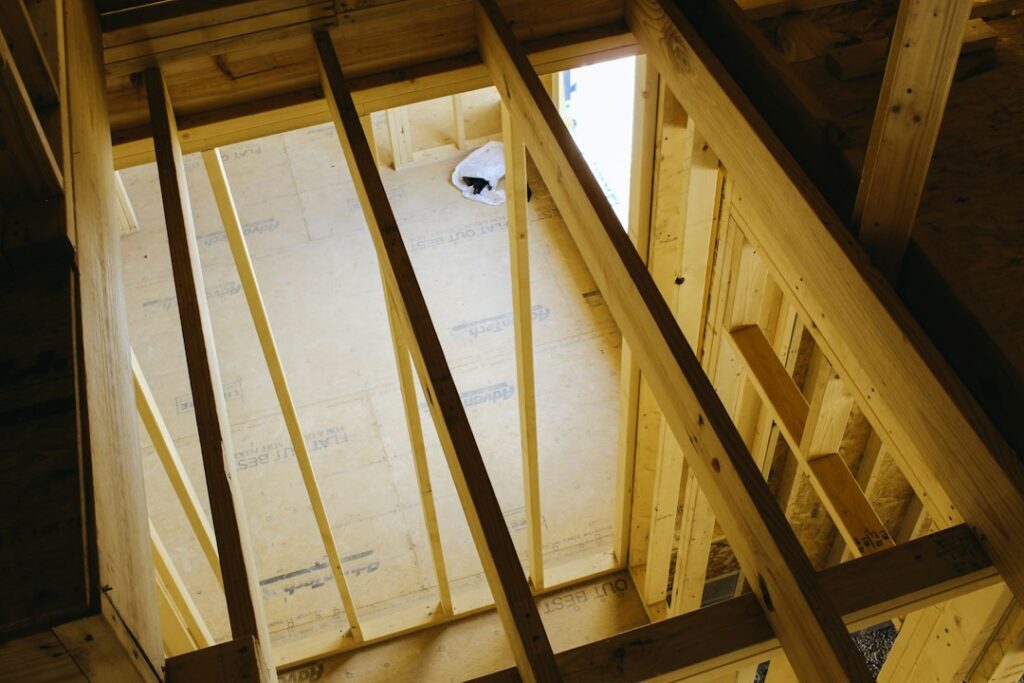
Modern homes use energy-efficient building materials as a coordinated system rather than as isolated upgrades. In Waconia, MN, that system must perform through cold winters, humid summers, wind, snow, and rapid seasonal temperature changes. The most effective choices usually improve insulation, air control, moisture management, and durability at the same time.
What makes a building material energy efficient?
An energy-efficient material either slows unwanted heat movement, reduces air leakage, manages moisture, or helps mechanical systems operate more effectively. A material’s advertised performance matters, but installation quality and how it connects to other assemblies matter just as much.
The main parts of an efficient home envelope include:
- Insulation in walls, attics, foundations, and floors
- Air-sealing materials around joints, openings, and penetrations
- High-performance windows and exterior doors
- Continuous insulation that reduces thermal bridging
- Weather-resistant barriers and properly detailed flashing
- Efficient heating, cooling, and water-heating equipment
A thick layer of insulation can underperform if wind moves around it. Likewise, a tightly sealed house can develop moisture problems if ventilation and water control are not properly planned.
Which insulation materials work well in this climate?
Fiberglass, mineral wool, cellulose, rigid foam, and spray foam can all be useful. The right choice depends on the location, available space, moisture exposure, fire requirements, and the design of the wall or roof assembly.
Fiberglass batts are common and relatively simple to install, but they must fit tightly around wiring, plumbing, corners, and irregular framing. Gaps or compression reduce their actual performance.
Blown cellulose can work well in attics and enclosed wall cavities. It fills small spaces more effectively than poorly fitted batts, although it still needs proper air sealing and adequate protection from moisture.
Mineral wool is valued for its fire resistance, sound control, and resistance to moisture absorption. It is often used in wall and ceiling assemblies where both thermal and acoustic performance matter.
Rigid foam boards can provide continuous insulation over framing. This helps reduce thermal bridging, which occurs when heat bypasses cavity insulation through wood or metal framing. Some rigid foam products also require careful attention to fire protection and fastening.
Spray foam can air-seal difficult areas and provide insulation in narrow or irregular spaces. It is not automatically the best choice everywhere. Overspray, installation thickness, curing conditions, and compatibility with other materials all affect performance.
Why is air sealing as important as insulation?
Air sealing prevents heated or cooled indoor air from escaping through unintended openings. In many homes, leakage occurs around attic hatches, plumbing penetrations, electrical wiring, recessed fixtures, rim joists, windows, doors, and intersections between walls and foundations.
Common air-sealing materials include:
- Caulk for small, stationary gaps
- One- and two-component foam for irregular openings
- Gaskets for electrical boxes and access panels
- Airtight sheathing or membrane systems
- Taped and sealed rigid insulation
- Weatherstripping and door sweeps
Air sealing should be coordinated with insulation. Adding insulation over a leaky attic floor, for example, can hide the problem while allowing warm indoor air to reach cold surfaces. That can contribute to frost, condensation, and damage to roof materials.
A tighter home also needs planned ventilation. Exhaust fans, range hoods, dryers, and combustion appliances must be considered so that indoor air quality and safe operation are maintained.
Are high-performance windows worth considering?
Windows are usually less insulating than well-built walls, but they still affect comfort, drafts, condensation, and heating demand. Energy-efficient windows generally include insulated glazing, low-emissivity coatings, and frames designed to limit heat transfer.
For homes in this region, useful window features may include:
- Double- or triple-pane insulated glass
- Low-emissivity coatings selected for the home’s orientation
- Warm-edge spacers
- Durable, insulated frames
- Properly sealed rough openings
- Exterior flashing that directs water away from the wall
Replacing windows solely because they feel cold may not solve the main problem if the surrounding frame or wall is poorly air sealed. Window installation is part of a larger wall system. The sill, flashing, insulation, interior air seal, and exterior weather barrier must work together.
In some situations, improving attic insulation and sealing drafts provides more noticeable energy savings than replacing serviceable windows.
What role does continuous exterior insulation play?
Continuous insulation is placed outside the structural framing, beneath or as part of the exterior cladding system. It helps limit heat flow through studs, headers, corners, and other areas where cavity insulation is interrupted.
This approach can improve:
- Interior surface temperatures
- Wall comfort near exterior walls
- Resistance to condensation
- Overall thermal performance
- Consistency across the building envelope

However, exterior insulation changes the thickness and detailing of the wall. Windows, doors, siding, trim, fasteners, and flashing must be planned around it. The wall also needs a dependable water-resistive barrier and drainage path.
A wall that performs well thermally but allows water to remain trapped can create long-term problems. Energy efficiency should never be separated from moisture management.
Which materials help control moisture and durability?
Building materials should keep bulk water outside while allowing assemblies to dry in an appropriate direction. Roof overhangs, flashing, drainage planes, self-adhered membranes, and carefully sealed penetrations are often more significant to durability than a single high-performance product.
In a cold-weather climate, important details include:
- Protecting wall bottoms from splashback and snow
- Sealing foundation and rim-joist areas
- Directing roof water away from walls and foundations
- Using compatible tapes, sealants, and membranes
- Avoiding gaps behind cladding that interrupt drainage
- Keeping insulation dry during construction
Moisture-resistant does not mean waterproof under every condition. Materials still need correct placement, fastening, and transitions between systems.
What should homeowners prioritize during remodeling?
For an existing home, the most practical sequence is usually to identify the largest sources of heat loss and air leakage before selecting materials. Attics, rim joists, foundation walls, ductwork, and poorly sealed penetrations often deserve attention before cosmetic upgrades.
A reasonable evaluation may consider:
1. Drafts and uneven room temperatures
2. Attic insulation depth and air leakage
3. Basement or crawl-space moisture
4. Window condition and installation quality
5. Heating and cooling equipment age
6. Indoor humidity and condensation
7. Ventilation after air-sealing work
During additions or major renovations, it is easier to improve the complete assembly because walls, ceilings, windows, and mechanical systems are accessible at the same time. Minnesota’s residential energy requirements also affect new construction, additions, and certain alterations, so design decisions should account for applicable code requirements before work begins.
What are common misconceptions about energy-efficient materials?
More insulation always solves the problem. Not if air leaks, moisture, thermal bridges, or poor installation remain.
Triple-pane windows are always the best investment. They can improve comfort, but their value depends on orientation, existing window condition, installation quality, and other envelope weaknesses.
A tightly sealed home does not need ventilation. Controlled ventilation is essential for managing humidity, odors, and indoor pollutants.
Spray foam is suitable for every location. It requires careful detailing and may not be appropriate near certain heat sources, wiring conditions, or moisture-sensitive assemblies.
Energy efficiency is only about utility bills. A well-designed envelope can also improve comfort, reduce drafts, limit condensation, protect building materials, and make rooms more consistent from floor to floor.
For local households, the strongest results usually come from treating the home as an integrated system: keep water out, control air movement, install insulation continuously, reduce thermal bridging, and provide deliberate ventilation. That approach is generally more reliable than choosing a single “high-efficiency” material without considering how it connects to the rest of the building.