

 See My Latest Article on HelloNation
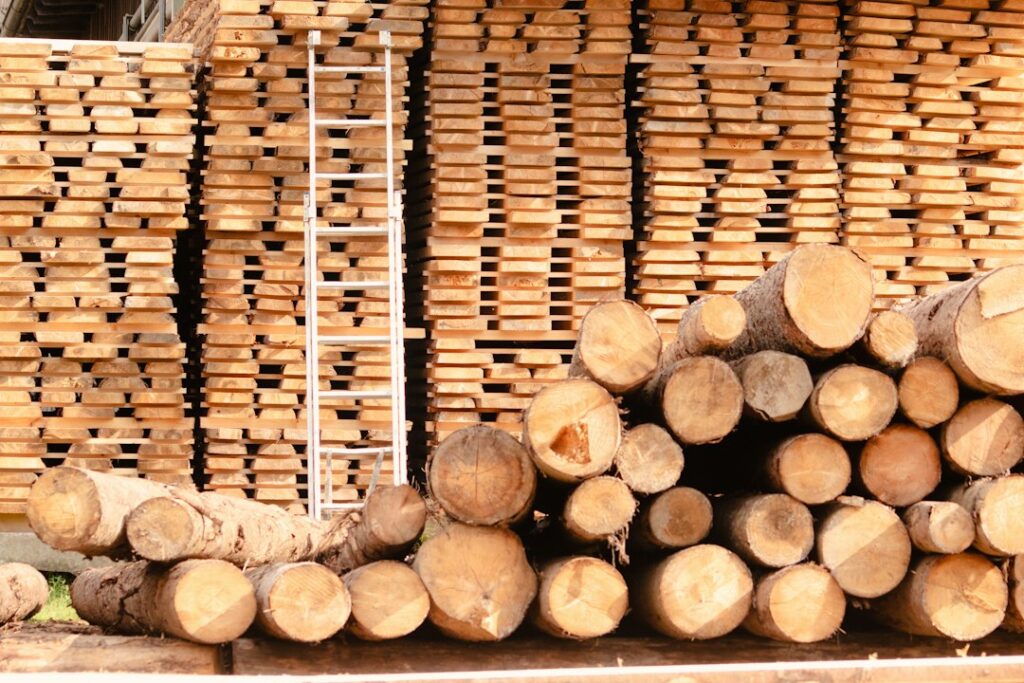
Lumber quality affects how well a deck, wall, shed, fence, or interior project performs over time. Good boards are not necessarily the most expensive ones. They are boards with the right grade, moisture level, dimensions, and condition for the job.
For residents in Waconia, MN, seasonal changes are a practical consideration. Lumber may be exposed to freezing temperatures, summer humidity, rain, snow, and repeated wet-dry cycles. Learning what to inspect before buying or installing boards can help prevent warping, splitting, premature decay, and difficult construction.
What does quality lumber look like?
Quality lumber is generally straight, structurally sound, appropriately dry, and free from defects that would weaken its intended use. The correct choice depends on whether the board will carry weight, remain exposed to weather, or serve a primarily cosmetic purpose.
A high-quality board should be inspected for:
- Straightness along its length
- Reasonably square ends and edges
- Firm, intact surfaces
- Limited or well-positioned knots
- No active decay, mold, or insect damage
- Moisture appropriate for the project
- Dimensions that match the labeled size and intended use
Perfect boards are uncommon, especially in natural wood. A few small knots or minor color variations do not automatically indicate poor quality. The key question is whether a defect affects strength, stability, appearance, or long-term durability.
How can you tell if a board is straight?
Place one end of the board near eye level and look down its length. This helps reveal bends that may be difficult to see from the side.
Common forms of movement include:
- Bow: A curve along the wide face of the board
- Crook: A curve along the narrow edge
- Cupping: Curving across the board’s width
- Twist: Corners that do not remain in the same plane
A small amount of movement may be manageable for some framing work, but severely warped boards can make walls, floors, railings, and built-in projects difficult to align. For long structural members, straightness is especially valuable because excessive force may be needed to hold the board in position.
Check several boards rather than judging only the top board in a stack. Boards stored under uneven pressure can appear straight until removed.
What knots and grain patterns should you avoid?
Knots are natural parts of wood, but their size, location, and condition matter. Tight, sound knots are usually less concerning than loose, cracked, or falling knots.
Use caution with boards that have:
- Large knots near the center of a load-bearing span
- Cracks extending from knots
- Multiple knots grouped closely together
- Loose knots that move when touched
- Grain that runs sharply across the board
- Long splits or checks near the ends
Straight grain is generally easier to cut, fasten, and finish. Grain that slopes dramatically across a structural board can reduce its effective strength, particularly when the board is used as a joist, rafter, beam, or other member carrying weight.
For trim and visible surfaces, appearance may be the main concern. For framing, structural grade and defect placement matter more than a perfectly uniform appearance.
How do you check whether lumber is too wet?
Fresh or damp lumber may feel heavier than expected and can have a cool, slightly wet surface. A moisture meter provides a more reliable reading, but visual inspection still helps identify problems.
Signs of excessive moisture include:
- Darkened areas or water staining
- Fuzzy surface fibers
- End checks that develop as the board dries
- A musty odor
- Visible mold growth
- Boards that feel substantially heavier than similar pieces
Wood naturally changes size as its moisture content changes. It tends to shrink as it dries and expand as it absorbs moisture. Installing very wet boards indoors can lead to gaps, buckled flooring, sticking doors, or cracked finishes after the wood acclimates.
Interior lumber should usually be allowed to adjust to indoor conditions before installation, especially for flooring, cabinetry, trim, and furniture. Outdoor projects also benefit from using wood that is suitable for the expected exposure and from following the material’s storage and installation guidance.
Does the grade stamp matter?
Yes. A grade stamp provides information about the board’s species or species group, grade, moisture condition, and the organization responsible for grading it. For structural lumber, the stamp helps indicate whether the material meets recognized requirements for a particular use.
A grade stamp may identify terms such as:
- Structural grade
- Stud grade
- Utility grade
- Appearance grade
- Kiln-dried or moisture-related markings
- Treatment information for preservative-treated wood

The highest-looking board is not always the correct board. A clear, attractive piece of wood may be unsuitable for a structural purpose if it lacks the required grade. Conversely, a framing board with visible knots may be entirely appropriate if it is properly graded and used within its design limitations.
Do not remove or cover grade information before confirming that the lumber is suitable for the project.
What should you look for in pressure-treated lumber?
Pressure-treated lumber is designed to resist decay and insect damage, but treatment does not make every board structurally perfect. Inspect treated boards for straightness, splits, severe checking, and damage caused by handling.
Look for:
- A treatment label or end tag
- Consistent treatment suitable for the exposure
- No major untreated areas where protection is expected
- Minimal end splitting
- No deep gouges or crushed edges
- Fasteners and hardware rated for treated wood
Treated lumber may be wetter and heavier than untreated boards. It can shrink as it dries, so spacing, fastening, and installation details matter. Do not use treated material indoors where its treatment is inappropriate, and follow product instructions for cutting, handling, and disposal.
How should lumber be stored before use?
Proper storage protects quality after purchase. Lumber should be kept off the ground on level supports, covered from rain and snow, and allowed to receive air circulation. A fully sealed plastic covering can trap moisture and encourage staining or decay.
For longer storage:
- Support boards at regular intervals
- Keep stacks level and aligned
- Place heavier material on the bottom
- Avoid direct contact with soil or standing water
- Cover the top while leaving the sides open to airflow
- Separate indoor finish material from wet or treated lumber
In a climate with cold winters and humid summers, moving lumber repeatedly between outdoor and heated indoor environments can increase movement. Store materials near the conditions where they will be installed when practical, while protecting them from precipitation.
Is a slightly damaged board still usable?
Sometimes, but the location and purpose of the board determine the answer. Minor surface marks may be acceptable for rough framing if they do not affect the board’s strength or alignment. A board with serious splitting, decay, or twisting is a poor choice for structural work even if part of it appears usable.
A damaged board may be suitable for a short, nonstructural cut section, but it should not be placed in a critical span, connection, stair component, railing, or support without confirming that it meets the project requirements.
If lumber shows active decay, extensive mold, insect galleries, or unexplained structural damage, set it aside. Safety-related components deserve more careful evaluation than decorative or temporary pieces.
What is the most common mistake people make?
The most common mistake is choosing lumber by appearance alone. A straight, clean-looking board may be the wrong species, grade, moisture condition, or treatment for the job. Another frequent mistake is assuming that a labeled dimensional size reflects the board’s exact finished measurements; surfaced lumber is commonly smaller than its nominal size.
Before selecting boards, identify whether the project requires:
- Structural strength
- Resistance to weather and decay
- Stable dimensions indoors
- A smooth visible finish
- Compatibility with fasteners, adhesives, or coatings
Matching the material to the use is more important than finding a board that looks perfect in the stack.