

 See My Latest Article on HelloNation
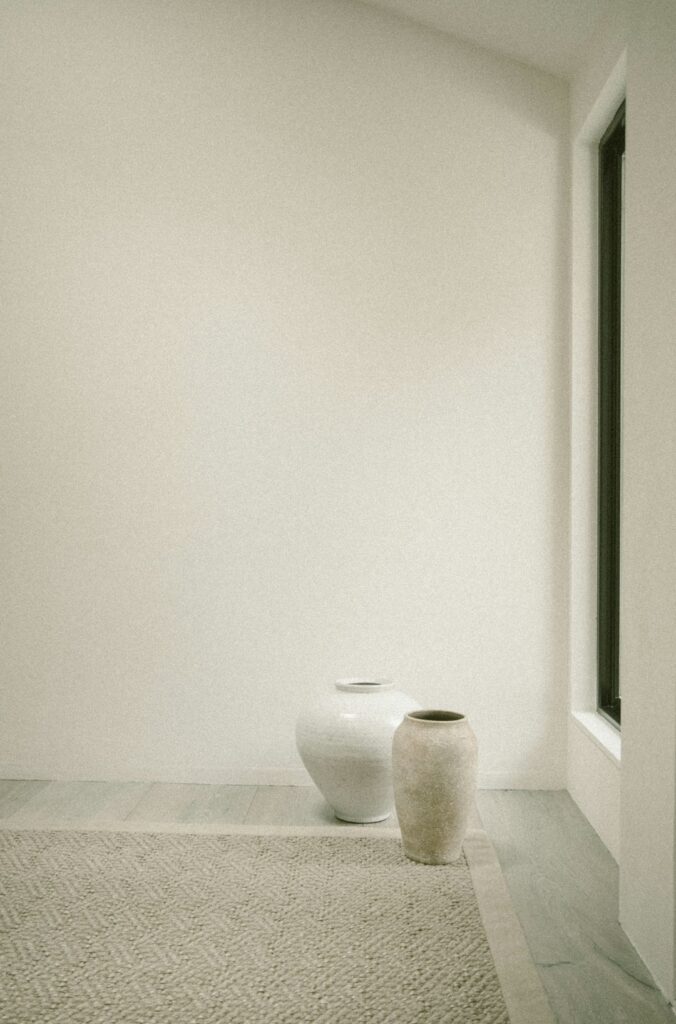
Interior walls are shifting away from uniformly smooth, bright-white surfaces. Current preferences favor warmth, texture, natural materials, and finishes that add character without making a room difficult to maintain.
For homes in Waconia, wall-finish choices also need to account for cold winters, changing indoor humidity, active households, and the practical realities of cleaning, repairs, and future repainting.
Which interior wall finishes are becoming more popular?
The strongest design direction is toward layered, tactile surfaces rather than flat color alone. Limewash-style paint, applied plaster, wood paneling, decorative molding, and expressive wallpaper are all being used to create visual interest.
These finishes can work in both older homes and newer construction, but each has different installation and maintenance requirements. A finish that looks appealing in a photograph may not be the right choice for a busy hallway, bathroom, basement, or family room.
The most noticeable trends include:
- Soft mineral and limewash-style paint effects
- Warm-toned plaster and clay-inspired finishes
- Fluted, slatted, or vertical wood paneling
- Board-and-batten and traditional wall molding
- Wallpaper used on selected walls rather than entire rooms
- Textured surfaces with subtle variation
- Durable tile or stone-look materials in moisture-prone areas
Why are textured and imperfect finishes gaining attention?
Textured finishes make walls feel less sterile and can provide depth without relying on strong patterns or dramatic colors. Slight variation in a plaster-like surface, for example, can soften the appearance of natural or artificial light throughout the day.
This trend also reflects a broader preference for interiors that look lived-in rather than overly uniform. Small irregularities, visible grain, and hand-applied variation can make a room feel warmer.
However, texture should be selected carefully. Heavy texture can collect dust, make patching more difficult, and create shadows that are difficult to evaluate under different lighting. A subtle finish is usually easier to live with than a highly raised or heavily patterned surface.
Is limewash paint practical for a home?
Limewash-style finishes can be practical when the goal is a soft, cloudy appearance rather than a perfectly consistent painted surface. They are especially effective on accent walls, dining areas, bedrooms, and spaces with natural light.
The term “limewash” is used for several different products and techniques. Some are mineral-based coatings, while others are standard paints designed to imitate the look. Their coverage, touch-up process, and compatibility with existing walls can differ considerably.
Before choosing this finish, consider:
- Whether the wall is smooth enough for the desired effect
- How easily the surface can be cleaned
- Whether future touch-ups will blend visibly
- How the finish will look under warm and cool light
- Whether the product is appropriate for drywall, plaster, or previously painted surfaces
In homes with children, pets, or high-traffic hallways, a washable low-sheen paint may provide a similar visual softness with easier maintenance.
What types of wall paneling are trending?
Wood paneling is returning in more refined forms. Instead of covering every wall with dark, glossy boards, many homeowners are using paneling selectively to define a room or emphasize an architectural feature.
Popular approaches include vertical slats, narrow fluted panels, simple board-and-batten layouts, and painted molding. Light and medium wood tones are often used to add warmth, while painted panels can provide structure without introducing another strong material color.
Paneling can be useful for:
- A dining room feature wall
- A bedroom headboard wall
- A mudroom or entry area
- A home office backdrop
- The lower portion of a wall beneath a chair rail
- A family room with a large, uninterrupted wall
Installation details matter. Panels should not be used to conceal active moisture, mold, or a damaged wall surface. In a climate with cold winters, exterior walls also need proper insulation, air sealing, and moisture control before decorative materials are installed.
Are wallpaper and murals still being used?
Wallpaper is being used more selectively, often in small rooms, entryways, powder rooms, bedrooms, and single feature walls. This approach provides pattern and personality while limiting the amount of material that must eventually be removed or replaced.
Large-scale botanical patterns, understated geometric designs, grasscloth-style textures, and mural-like scenes are common directions. Wallpaper can also be an effective way to introduce color without painting every wall a saturated shade.
For practical use, pay attention to:

- Washability and scrubbability
- Seam visibility
- Sun exposure and fading
- Removal requirements
- Wall preparation
- Moisture levels in the room
Wallpaper is generally less forgiving on poorly prepared walls. Existing dents, uneven patches, or loose paint can become more noticeable after installation.
Which finishes work best in bathrooms, kitchens, and basements?
Moisture-prone rooms require more than a fashionable appearance. Walls in bathrooms, laundry areas, kitchens, and below-grade spaces should use finishes that tolerate humidity, cleaning, and occasional splashing.
Paint with an appropriate sheen remains a dependable choice for many areas. Tile, porcelain panels, and other water-resistant surfaces can be useful around showers, sinks, and utility zones. Decorative plaster or wallpaper may work in a powder room, but materials should be selected according to actual moisture exposure rather than appearance alone.
Basements deserve extra caution. A decorative finish should never be used to cover signs of water entry, condensation, musty odor, efflorescence, or deteriorating drywall. Moisture problems need to be addressed before wall improvements are made.
Winter humidity is another local consideration. Indoor relative humidity that is too high can contribute to condensation on cold surfaces, while very dry conditions can worsen cracking at joints and corners. Managing humidity helps protect both the wall finish and the underlying wall assembly.
Are warm colors replacing white walls?
Warm neutrals are becoming more common, including muted beige, clay, mushroom, olive, brown, and softened terracotta tones. These colors tend to pair well with wood, stone, black accents, woven materials, and older architectural details.
This does not mean white walls are disappearing. White and light neutral finishes remain useful for small rooms, low-light spaces, trim, ceilings, and homes where flexibility is a priority.
The more durable approach is to choose color based on the room’s lighting and materials rather than a trend label. A warm color can appear significantly different beside cool flooring, bright LED lighting, or north-facing windows. Testing large sample areas is more reliable than judging a small paint card.
How should homeowners choose a wall finish?
The right finish depends on more than style. Start with the wall’s condition, the room’s use, the amount of natural light, and the level of cleaning expected.
A practical evaluation includes:
- Durability: Can the surface handle bumps, fingerprints, and routine cleaning?
- Repairability: Can small holes or damaged sections be patched without replacing the entire finish?
- Moisture tolerance: Is the material suitable for the room’s humidity and water exposure?
- Lighting: Will texture create unwanted shadows or highlight uneven areas?
- Longevity: Will the finish still work if furniture, flooring, or lighting changes?
- Installation: Does the material require specialized preparation or careful sequencing?
- Indoor air quality: Are coatings and adhesives low in unwanted emissions?
The most successful interiors often combine finishes instead of using one treatment everywhere: a durable painted wall in a hallway, paneling in a dining area, wallpaper in a bedroom, and a washable surface in a busy utility space. That approach allows visual character while keeping maintenance realistic for area households.