

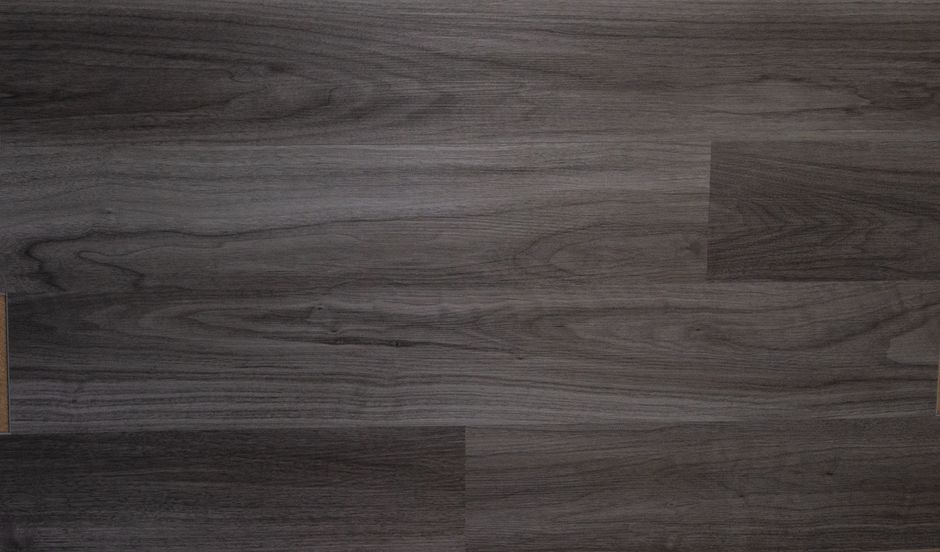
High-traffic flooring needs to resist more than footfall. In busy areas, the surface may also face grit, moisture, muddy footwear, furniture movement, pet nails, dropped objects, and repeated cleaning. For most households, the most durable choices are porcelain tile, luxury vinyl plank, and well-finished concrete, with the right option depending on the room and type of wear.
What flooring is most durable for high-traffic areas?
Porcelain tile is generally the most durable flooring for areas exposed to heavy use, moisture, and abrasion. It is dense, hard, water-resistant, and difficult to scratch when properly installed.
Luxury vinyl plank is often the most practical all-around choice for homes because it combines good durability with softer underfoot comfort, easier installation, and better resistance to occasional moisture than many wood products.
Concrete can also last for decades, especially in lower-level spaces, utility rooms, and modern open-plan interiors. However, it requires careful sealing and may feel hard or cold without rugs or an underlayment system.
The most suitable material depends on the specific traffic pattern:
- Porcelain tile: Best for entryways, mudrooms, kitchens, bathrooms, and commercial-like wear.
- Luxury vinyl plank: Best for living areas, hallways, kitchens, finished lower levels, and homes with children or pets.
- Sealed concrete: Best for utility spaces, lower levels, and contemporary interiors.
- Engineered hardwood: Best where the appearance and feel of real wood matter, but heavy moisture and deep scratches are concerns.
- Laminate: Suitable for moderate to heavy foot traffic when protected from standing water, though it is less forgiving of moisture damage than vinyl or tile.
Why is porcelain tile so durable?
Porcelain tile is manufactured from dense clay and fired at high temperatures. Its low water absorption helps it withstand spills, tracked-in moisture, and frequent cleaning. The surface is also resistant to scratching and wear, making it a strong choice for areas that connect directly to the outdoors.
Tile durability depends on more than the tile itself. Installation quality matters because an uneven or poorly supported subfloor can lead to cracked tiles or loose grout. Large tile can reduce the number of grout joints, but it requires a very flat substrate.
Grout is usually the first part of a tile floor to show soil or discoloration. Sealing may help with stain resistance, depending on the grout type, but it does not eliminate routine cleaning. Textured tile can improve traction, but deeply textured surfaces may hold dirt and require more effort to maintain.
For homes in Waconia, winter conditions make entryway design especially significant. Sand, salt, melting snow, and moisture can be carried indoors on footwear. A durable tile floor performs well in this setting, particularly when paired with a substantial walk-off mat and a transition area where wet footwear can be removed.
Is luxury vinyl plank durable enough for a busy household?
Yes. Quality luxury vinyl plank can perform well in high-traffic residential areas, provided the product has a durable wear layer and is installed over a stable, reasonably smooth subfloor.
Luxury vinyl is more resilient than tile under dropped objects and is generally quieter underfoot. It also feels warmer and less rigid, which many households prefer in living rooms, hallways, and bedrooms. Waterproof or water-resistant construction makes it useful in kitchens, mudrooms, and lower-level spaces where occasional moisture is possible.
Not all vinyl flooring has the same construction. Useful specifications to compare include:
- Wear-layer thickness and protective finish
- Overall plank thickness
- Core construction and dimensional stability
- Manufacturer requirements for subfloor preparation
- Warranty terms and limitations
- Resistance to indentation from furniture
A thick wear layer may improve resistance to surface scuffing, but it cannot correct an unstable subfloor or poor installation. Heavy furniture can still leave indentations, and sharp grit can abrade the finish over time. Felt pads, entry mats, and prompt cleanup remain helpful even with a durable product.
How does engineered hardwood compare?
Engineered hardwood can be durable in busy areas, but it is not usually the first choice for locations that receive frequent moisture, grit, or heavy impact. Its layered construction is more dimensionally stable than solid wood, which can be useful in homes with seasonal changes in indoor humidity.
The top veneer may be refinished in some products, but the number of possible refinishing cycles depends on its thickness. Surface scratches can often be managed with careful maintenance, but standing water, tracked-in salt, and repeated abrasion can damage the finish.
Engineered hardwood is best considered for living areas, dining rooms, and hallways where appearance and natural material are priorities. It requires more attention near exterior doors and in rooms where wet footwear is common.
Is laminate flooring a good choice for high traffic?
Laminate can handle substantial foot traffic because its wear surface is designed to resist scuffing and everyday abrasion. It is often a practical option for hallways, family rooms, and bedrooms.
Its main limitation is moisture at the seams and edges. A spill that is cleaned promptly may not cause a problem, but repeated wetting or standing water can cause some laminate products to swell. This makes laminate less suitable than porcelain tile or waterproof vinyl for mudrooms, bathrooms, and areas where snow and rain are regularly tracked indoors.
Laminate also tends to sound harder or more hollow when installed over an inadequate underlayment. Subfloor preparation and moisture control are important for both comfort and long-term performance.
What flooring works best for entryways and mudrooms?
Entryways and mudrooms need flooring that tolerates abrasive particles and moisture. Porcelain tile is often the strongest choice, while waterproof luxury vinyl is a comfortable alternative.
The floor should be supported by practical details:
- A walk-off mat outside the main entrance
- An absorbent mat inside the door
- A designated area for wet boots and shoes
- Prompt removal of salt and gritty residue
- A transition that prevents water from reaching wood or laminate
A floor can be highly wear-resistant and still appear damaged if sand or salt remains on its surface. Grit acts like an abrasive under moving footwear, so regular sweeping or vacuuming is part of protecting any finish.
What flooring is easiest to maintain in high-traffic spaces?
Luxury vinyl is typically among the easiest materials to maintain. Regular sweeping or vacuuming removes grit, and damp cleaning can handle ordinary spills. Porcelain tile is also easy to clean, although grout lines may require more attention.
Concrete maintenance depends heavily on the sealer. A sealed surface can be straightforward to clean, but the sealer may eventually need renewal. Hardwood and laminate require more careful moisture control and should not be saturated during cleaning.
The most durable floor is not necessarily the one with the hardest surface. A material that is easy to clean, repair, and live with may provide better long-term value than a harder material that is uncomfortable or difficult to maintain.
What should residents consider before choosing?
Start with the type of traffic rather than the room name. A hallway used by muddy pets may experience more wear than a formal dining room. Consider:
- Whether water, snow, or salt will be tracked inside
- Whether children or pets will use the area
- Whether furniture will be moved often
- How much sound and hardness are acceptable
- Whether the subfloor is level, dry, and structurally sound
- How visible scratches, grout, or seams will be
- Whether future repairs can be made without replacing the entire floor
For many busy households, a practical combination works well: porcelain tile near exterior doors and wet areas, luxury vinyl through main living zones, and engineered hardwood or another finish material in lower-moisture rooms. Choosing flooring by exposure, maintenance needs, and subfloor conditions usually produces a better result than selecting solely by appearance or product hardness.